How Cats Say Hello: Tail-Up, Slow Blinks & Trills
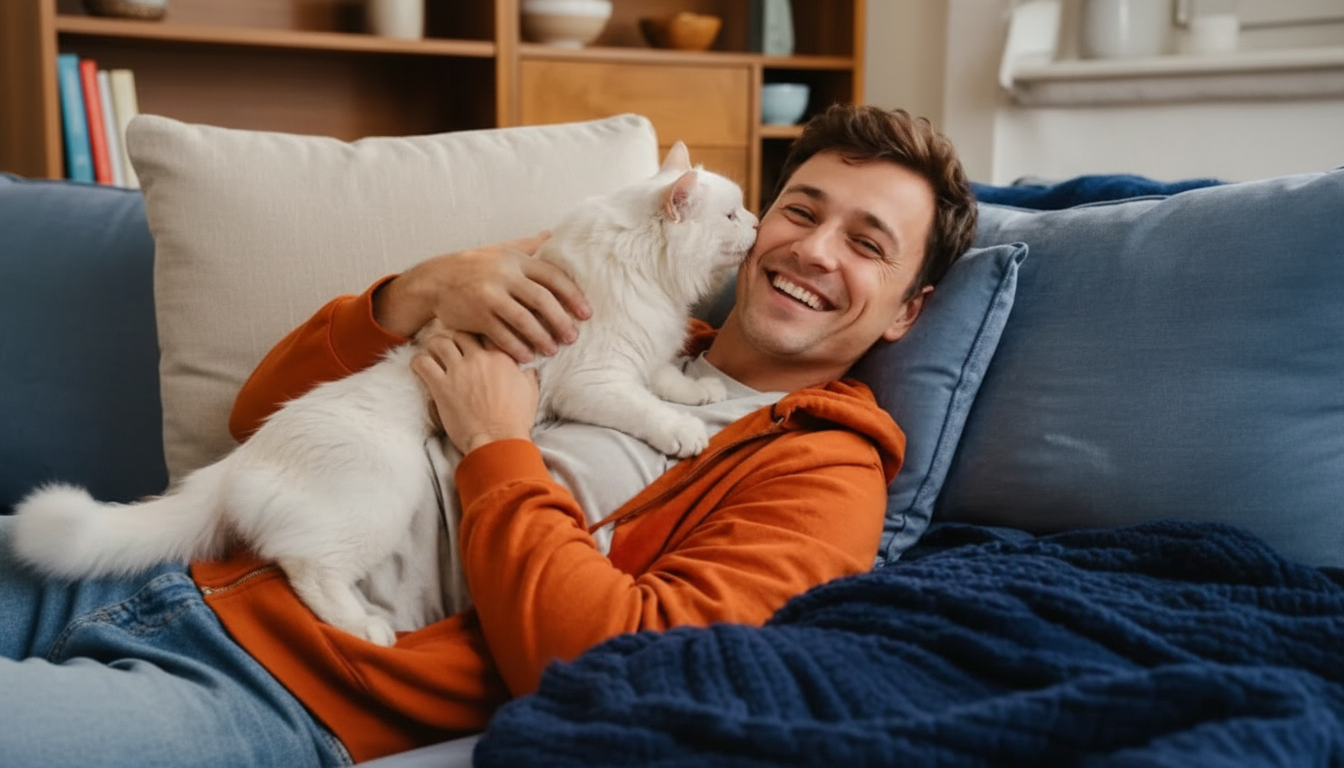
What is hello in cat language?
Cats don’t have one universal “hello” word. Their version of hello is usually a mix of body language, scent, and a few soft sounds that signal, “I know you,” “I’m friendly,” or “I want to interact.” The most common cat “hello” is a relaxed approach with the tail held upright like a flagpole—often with a slightly curved tip. That tail-up greeting is a strong sign of comfort and positive social intent.
How cats typically say hello
The tail-up approach
A confident, friendly cat often walks over with an upright tail. If the tail is high and loose (not puffed) and the body looks relaxed, that’s a welcoming greeting. A gently quivering tail can even mean excited friendliness, especially when paired with rubbing.
Slow blinks as a friendly greeting
If a cat looks at you and slowly closes and opens their eyes, it’s a calm social signal often called a “cat kiss.” Returning a slow blink can be a polite way to greet them back without crowding their space.
Head bumps and cheek rubs
Many cats say hello by bumping their forehead into you or rubbing their cheeks along your hand or leg. This deposits their facial scent markers, which is a social “you’re part of my group” gesture. Let them initiate, and avoid reaching over the top of their head if they seem unsure.
Soft chirps, trills, and meows
While cats rarely meow to each other as adults, many meow at people as a social opener. Short, upbeat chirps or trills are especially common greetings—often heard when a cat rounds a corner and spots a favorite human.
Want a faster way to decode what your cat is “saying” beyond hello? Use this cat body language guide and printable cheat sheet to match tail, ears, eyes, and posture to common meanings.
FAQ
How can I tell if my cat is being friendly or overstimulated?
Friendly cats look loose and curious, with soft eyes and a relaxed tail. Overstimulation often shows up as twitching skin, tail lashing, sudden freezing, pinned-back ears, or turning to nip after a few pets.









Leave a comment