National Park Mistakes to Avoid: Safety & Planning Tips
What are the biggest mistakes visitors make at national parks?
The biggest national park mistakes usually come down to rushing, under-preparing, and treating wild places like theme parks. A little planning keeps your trip safer, smoother, and far more enjoyable.
Starting too late (or trying to do too much)
Arriving mid-day often means full parking lots, crowded trails, and less wildlife activity. Packing too many stops into one day also increases risky choices like hiking past sunset or skipping food and water.
Underestimating weather, altitude, and trail difficulty
Conditions change fast—sunny mornings can turn into thunderstorms, heat, or cold winds. Altitude can make easy hikes feel exhausting, and “short” trails can still be steep, exposed, or rocky.
Not carrying the basics
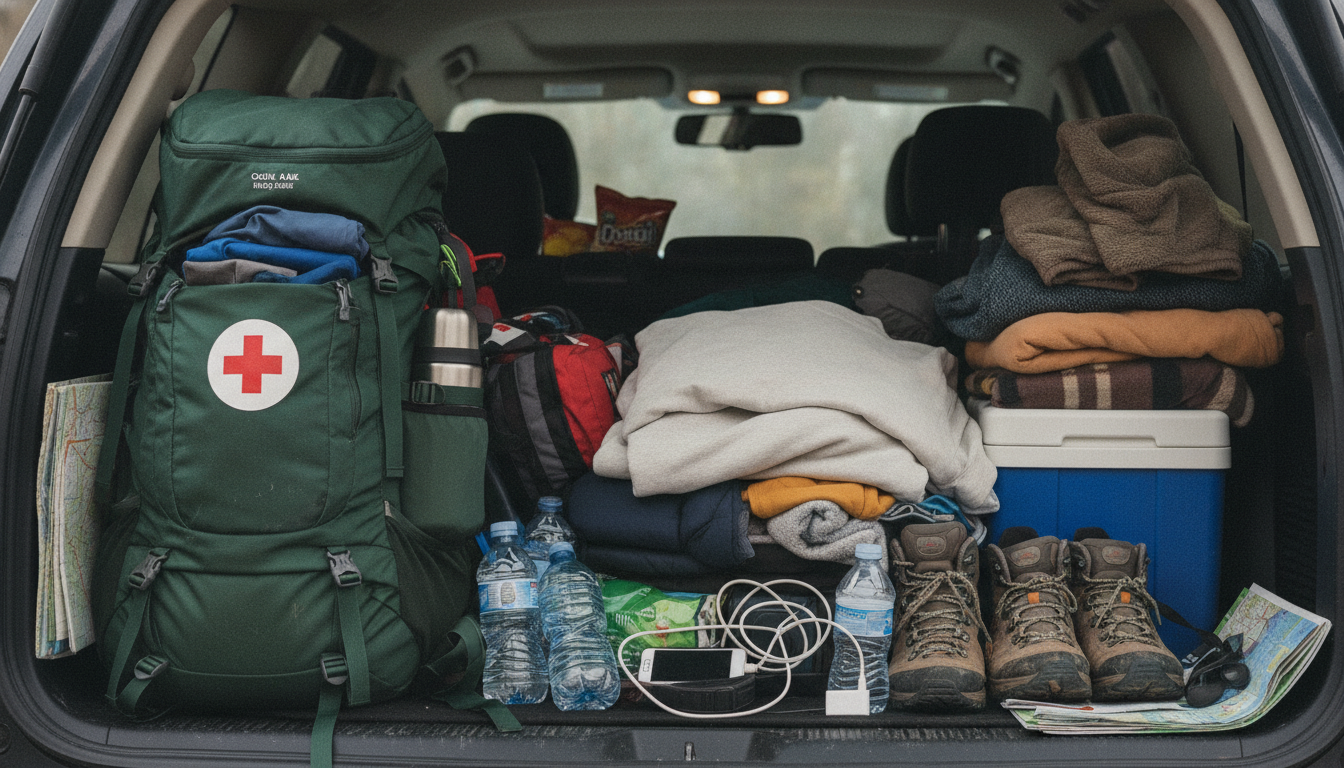
Common oversights include too little water, no snacks, forgetting sun protection, and lacking a light layer or rain shell. A dead phone battery and no offline map can also turn a minor detour into a stressful situation.
Ignoring wildlife rules
Getting too close for photos, feeding animals, or leaving food accessible can harm wildlife and put people at risk. Keep a safe distance, store food properly, and never approach animals—even if they seem calm.
Straying off-trail and leaving a mess
Cutting switchbacks, walking on fragile areas, or taking “shortcuts” causes long-term damage. Litter, loud music, and improper bathroom practices can quickly ruin the experience for others and the ecosystem.
Skipping permits, shuttles, and closures
Many popular parks require timed entry, reservations, or specific permits for hikes. Road and trail closures are common for weather, fires, or wildlife activity—check official updates before you go.
For more practical tips and trip-ready guidance, visit the full guide: What are the biggest mistakes visitors make at national parks?
FAQ
What should I pack for a day trip to a national park?
Bring plenty of water, snacks, sun protection, a light insulating layer, and rain protection. Add a paper or offline map, a small first-aid kit, and a headlamp in case your day runs long.











Leave a comment